-
121,56
USD
-
* Free shipping to US.
-
-
In stock
Features:
- Pages: 240
- Format: 24x17 cm
- Edition Date: 2020
- Edition: 2
- Language: Castellano.
- Binding: Tapa blanda o Bolsillo.
- Weight: 1,60 kg.
-
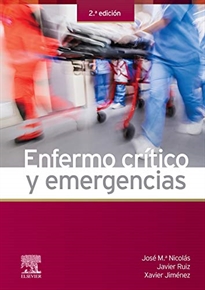
Enfermo crítico y emergencias
-
9788490228227
-
-
-
-
-
-
<UL style="BORDER-TOP-COLOR: ; BORDER-LEFT-COLOR: ; BORDER-BOTTOM-COLOR: ; BORDER-RIGHT-COLOR: "><SPAN class=A7><SPAN style='FONT-SIZE: 10pt; FONT-FAMILY: "Calibri",sans-serif; BORDER-TOP-COLOR: ; BORDER-LEFT-COLOR: ; FONT-WEIGHT: normal; COLOR: windowtext; BORDER-BOTTOM-COLOR: ; BORDER-RIGHT-COLOR: ; LINE-HEIGHT: 107%; mso-ansi-language: ES; mso-fareast-font-family: Calibri; mso-bidi-font-family: "HelveticaNeueLT Pro 55 Roman"; mso-fareast-language: EN-US; mso-bidi-language: AR-SA; mso-ascii-theme-font: minor-latin; mso-hansi-theme-font: minor-latin; mso-fareast-theme-font: minor-latin'><FONT style="BORDER-TOP-COLOR: ; BORDER-LEFT-COLOR: ; BORDER-BOTTOM-COLOR: ; BORDER-RIGHT-COLOR: "><SPAN style='FONT-SIZE: 12pt; FONT-FAMILY: "Times New Roman",serif; BORDER-TOP-COLOR: ; BORDER-LEFT-COLOR: ; BORDER-BOTTOM-COLOR: ; BORDER-RIGHT-COLOR: ; mso-fareast-font-family: "Times New Roman"; mso-fareast-language: ES'><?xml:namespace prefix = "o" /><o:p> <li> <DIV class=MsoNormal style="MARGIN-BOTTOM: 0pt; LINE-HEIGHT: normal"><SPAN style='FONT-SIZE: 12pt; FONT-FAMILY: "Times New Roman",serif; BORDER-TOP-COLOR: ; BORDER-LEFT-COLOR: ; BORDER-BOTTOM-COLOR: ; BORDER-RIGHT-COLOR: ; mso-fareast-font-family: "Times New Roman"; mso-fareast-language: ES'>Segunda edición de la obra "Enfermo crítico y emergencias", que actualiza sus contenidos continuando con el objetivo de formar a los profesionales implicados en esta área, tanto en el ámbito hospitalario como en el prehospitalario. El contenido viene avalado por la experiencia clínica y docente de autores referentes en sus áreas de conocimiento.<o:p></o:p></SPAN></DIV></li> <li> <DIV class=MsoNormal style="MARGIN-BOTTOM: 0pt; BORDER-TOP-COLOR: ; BORDER-LEFT-COLOR: ; BORDER-BOTTOM-COLOR: ; BORDER-RIGHT-COLOR: ; LINE-HEIGHT: normal"><SPAN style='FONT-SIZE: 12pt; FONT-FAMILY: "Times New Roman",serif; BORDER-TOP-COLOR: ; BORDER-LEFT-COLOR: ; BORDER-BOTTOM-COLOR: ; BORDER-RIGHT-COLOR: ; mso-fareast-font-family: "Times New Roman"; mso-fareast-language: ES'>Se mantiene la misma organización en cuatro partes principales y al igual que en la anterior edición, los capítulos comienzan con un cuadro de puntos clave<b>, </b>que introducen al lector en su contenido fundamental, seguidos, en los capítulos clínicos, de un caso clínico<b> </b>ilustrativo<b>, </b>que aproxima al lector a la realidad profesional al compartir experiencias vividas por los propios autores<o:p></o:p></SPAN></DIV></li> <li> <DIV class=MsoNormal style="BORDER-TOP-COLOR: ; BORDER-LEFT-COLOR: ; BORDER-BOTTOM-COLOR: ; BORDER-RIGHT-COLOR: ; LINE-HEIGHT: normal; mso-margin-top-alt: auto; mso-margin-bottom-alt: auto"><SPAN style='FONT-SIZE: 12pt; FONT-FAMILY: "Times New Roman",serif; BORDER-TOP-COLOR: ; BORDER-LEFT-COLOR: ; BORDER-BOTTOM-COLOR: ; BORDER-RIGHT-COLOR: ; LINE-HEIGHT: 107%; mso-ansi-language: ES; mso-fareast-font-family: "Times New Roman"; mso-fareast-language: ES; mso-bidi-language: AR-SA'>Entre las principales novedades, cabe destacar la inclusión de 8 nuevos capítulos: “Ecografía clínica, “Cuidados posresucitación y valoración del pronóstico neurológico, “Triaje: sistema de clasificación y estratificación frente a los signos y síntomas agudos más frecuentes, “Abordaje del enfermo crítico posquirúrgico, “Fundamentos para el aislamiento de alto nivel, “Consideraciones básicas en amenazas nucleares/radiológicas, biológicas y/o químicas, “Humanización de la atención al enfermo crítico y “Sistemas de información en la atención al enfermo crítico." </SPAN></DIV></li></ul></o:p></SPAN></FONT></SPAN></SPAN><br><br><P style="BORDER-TOP-COLOR: ; BORDER-LEFT-COLOR: ; BORDER-BOTTOM-COLOR: ; BORDER-RIGHT-COLOR: "><SPAN style='FONT-SIZE: 11pt; FONT-FAMILY: "Calibri",sans-serif; BORDER-TOP-COLOR: ; BORDER-LEFT-COLOR: ; BORDER-BOTTOM-COLOR: ; BORDER-RIGHT-COLOR: ; LINE-HEIGHT: 107%; mso-ansi-language: ES; mso-bidi-font-family: "Times New Roman"; mso-fareast-font-family: Calibri; mso-ascii-theme-font: minor-latin; mso-hansi-theme-font: minor-latin; mso-bidi-theme-font: minor-bidi; mso-fareast-language: EN-US; mso-bidi-language: AR-SA; mso-fareast-theme-font: minor-latin'><FONT style="BORDER-TOP-COLOR: ; BORDER-LEFT-COLOR: ; BORDER-BOTTOM-COLOR: ; BORDER-RIGHT-COLOR: " color=#000000 size=3 face="Times New Roman">Segunda edición de Enfermo crítico y emergencias, que actualiza sus contenidos continuando con el objetivo de formar a los profesionales implicados en esta área, tanto en el ámbito hospitalario como en el prehospitalario. El contenido viene avalado por la experiencia clínica y docente de autores referentes en sus campos de conocimiento.</FONT></SPAN><SPAN style='FONT-SIZE: 11pt; FONT-FAMILY: "Calibri",sans-serif; BORDER-TOP-COLOR: ; BORDER-LEFT-COLOR: ; BORDER-BOTTOM-COLOR: ; BORDER-RIGHT-COLOR: ; LINE-HEIGHT: 107%; mso-ansi-language: ES; mso-bidi-font-family: "Times New Roman"; mso-fareast-font-family: Calibri; mso-ascii-theme-font: minor-latin; mso-hansi-theme-font: minor-latin; mso-bidi-theme-font: minor-bidi; mso-fareast-language: EN-US; mso-bidi-language: AR-SA; mso-fareast-theme-font: minor-latin'></p> <P style="BORDER-TOP-COLOR: ; BORDER-LEFT-COLOR: ; BORDER-BOTTOM-COLOR: ; BORDER-RIGHT-COLOR: "><SPAN style='FONT-SIZE: 11pt; FONT-FAMILY: "Calibri",sans-serif; BORDER-TOP-COLOR: ; BORDER-LEFT-COLOR: ; BORDER-BOTTOM-COLOR: ; BORDER-RIGHT-COLOR: ; LINE-HEIGHT: 107%; mso-ansi-language: ES; mso-bidi-font-family: "Times New Roman"; mso-fareast-font-family: Calibri; mso-ascii-theme-font: minor-latin; mso-hansi-theme-font: minor-latin; mso-bidi-theme-font: minor-bidi; mso-fareast-language: EN-US; mso-bidi-language: AR-SA; mso-fareast-theme-font: minor-latin'><FONT color=#000000><FONT size=3><FONT style="BORDER-TOP-COLOR: ; BORDER-LEFT-COLOR: ; BORDER-BOTTOM-COLOR: ; BORDER-RIGHT-COLOR: " face="Times New Roman">Organización de los capítulos en cuatro partes principales: «Procedimientos y monitorización en el enfermo crítico y emergencias», «Emergencias en el ámbito prehospitalario», «Atención a las diversas patologías en la unidad de cuidados intensivos» y «Otras consideraciones en la atención al enfermo crítico y emergencias».</FONT></FONT></FONT></SPAN></p><SPAN style='FONT-SIZE: 11pt; FONT-FAMILY: "Calibri",sans-serif; BORDER-TOP-COLOR: ; BORDER-LEFT-COLOR: ; BORDER-BOTTOM-COLOR: ; BORDER-RIGHT-COLOR: ; LINE-HEIGHT: 107%; mso-ansi-language: ES; mso-bidi-font-family: "Times New Roman"; mso-fareast-font-family: Calibri; mso-ascii-theme-font: minor-latin; mso-hansi-theme-font: minor-latin; mso-bidi-theme-font: minor-bidi; mso-fareast-language: EN-US; mso-bidi-language: AR-SA; mso-fareast-theme-font: minor-latin'> <P style="BORDER-TOP-COLOR: ; BORDER-LEFT-COLOR: ; BORDER-BOTTOM-COLOR: ; BORDER-RIGHT-COLOR: "><FONT style="BORDER-TOP-COLOR: ; BORDER-LEFT-COLOR: ; BORDER-BOTTOM-COLOR: ; BORDER-RIGHT-COLOR: " color=#000000 size=3 face="Times New Roman">Nuevos capítulos incorporados en la segunda edición: «Ecografía clínica», «Cuidados posresucitación y valoración del prónostico neurológico», «Triaje: sistema de clasificación y estratificación frente a los signos y síntomas agudos más frecuentes», «Abordaje del enfermo crítico posquirúrgico», «Fundamentos para el aislamiento de alto nivel», «Consideraciones básicas en amenazas nucleares/radiológicas, biológicas y/o químicas», «Humanización de la atención al enfermo crítico» y «Sistemas de información en la atención al enfermo crítico».</FONT></p> <P style="BORDER-TOP-COLOR: ; BORDER-LEFT-COLOR: ; BORDER-BOTTOM-COLOR: ; BORDER-RIGHT-COLOR: "><SPAN style='FONT-SIZE: 11pt; FONT-FAMILY: "Calibri",sans-serif; BORDER-TOP-COLOR: ; BORDER-LEFT-COLOR: ; BORDER-BOTTOM-COLOR: ; BORDER-RIGHT-COLOR: ; LINE-HEIGHT: 107%; mso-ansi-language: ES; mso-bidi-font-family: "Times New Roman"; mso-fareast-font-family: Calibri; mso-ascii-theme-font: minor-latin; mso-hansi-theme-font: minor-latin; mso-bidi-theme-font: minor-bidi; mso-fareast-language: EN-US; mso-bidi-language: AR-SA; mso-fareast-theme-font: minor-latin'><FONT style="BORDER-TOP-COLOR: ; BORDER-LEFT-COLOR: ; BORDER-BOTTOM-COLOR: ; BORDER-RIGHT-COLOR: " color=#000000 size=3 face="Times New Roman">Los capítulos comienzan con un cuadro de puntos clave, que introducen al lector en su contenido fundamental, seguidos, en los capítulos clínicos, de un caso clínico ilustrativo, que aproxima al lector a la realidad profesional.</FONT></SPAN></p></SPAN> <P style="BORDER-TOP-COLOR: ; BORDER-LEFT-COLOR: ; BORDER-BOTTOM-COLOR: ; BORDER-RIGHT-COLOR: "><SPAN style='FONT-SIZE: 11pt; FONT-FAMILY: "Calibri",sans-serif; BORDER-TOP-COLOR: ; BORDER-LEFT-COLOR: ; BORDER-BOTTOM-COLOR: ; BORDER-RIGHT-COLOR: ; LINE-HEIGHT: 107%; mso-ansi-language: ES; mso-bidi-font-family: "Times New Roman"; mso-fareast-font-family: Calibri; mso-ascii-theme-font: minor-latin; mso-hansi-theme-font: minor-latin; mso-bidi-theme-font: minor-bidi; mso-fareast-language: EN-US; mso-bidi-language: AR-SA; mso-fareast-theme-font: minor-latin'><FONT size=3 face="Times New Roman"></FONT></SPAN> </p></SPAN>
-
121,56
USD
-
* Free shipping to US.
-
-
In stock
The book belongs to the following catalogs
Other books in the subject Medicina De Urgencias Y Emergencias:
-
56,87
USD
-
13,48
USD
-
51,74
USD
-
150,22
USD
-
91,63
USD
-
54,83
USD